
Library
Educational articles on good distribution practice, cold chain and warehouse operations for medicines and medical products, written from standard references.
Information only; not a regulatory interpretation or a storage instruction.
No article matches this filter.
Regulation & Compliance

What is Good Distribution Practice (GDP)?
Good Distribution Practice (GDP) is the set of rules that keeps a medicine's quality intact while it is stored and transported after leaving the manufacturer. It covers the warehouse, transport, documentation and recall arrangements together.
Read more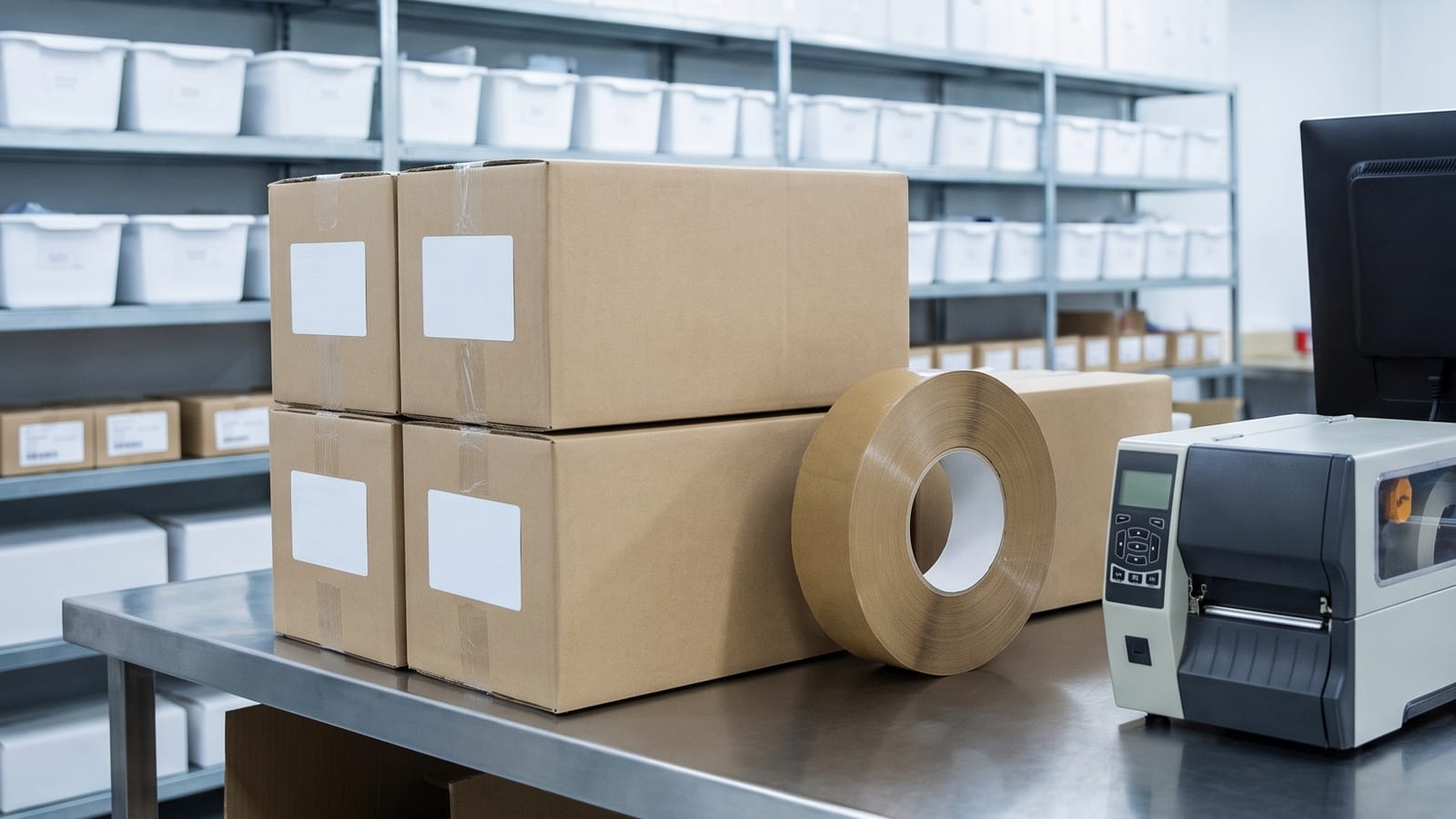
Türkiye's medicine tracking system (İTS) in the warehouse
İTS is Türkiye's medicine tracking system, run by TİTCK. Each pack's DataMatrix code holds the product number, a serial number, the expiry date and the batch number. The warehouse scans every pack at receipt and dispatch, and never ships a code the system does not know.
Read more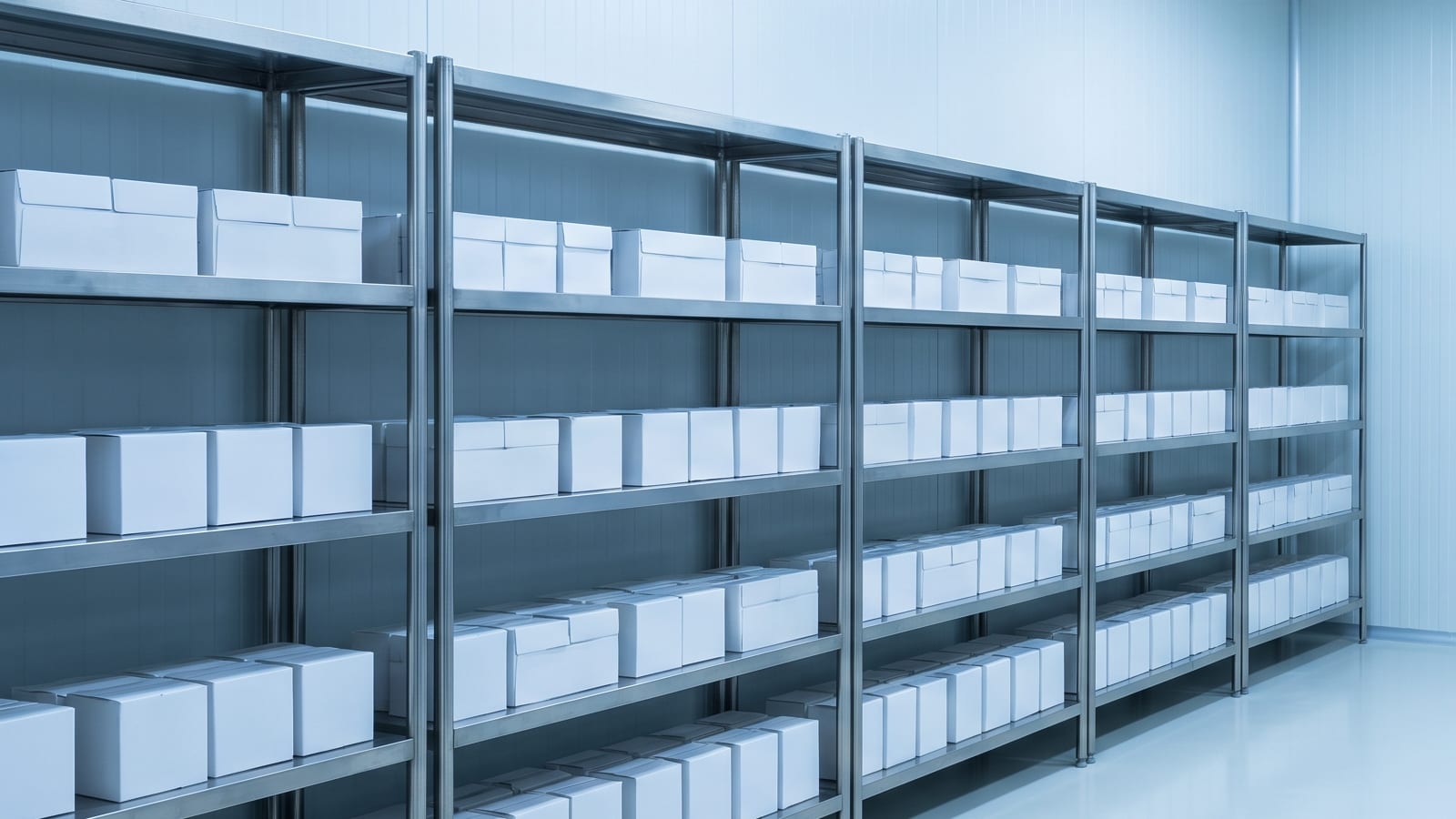
Storing medical devices: UDI and ÜTS
Medical devices are stored under the conditions on their label, and their lot numbers and expiry dates are recorded at receipt and dispatch. UDI gives each device an identity that carries model and production data. ÜTS is the system in which devices are registered in Türkiye and their movements reported.
Read more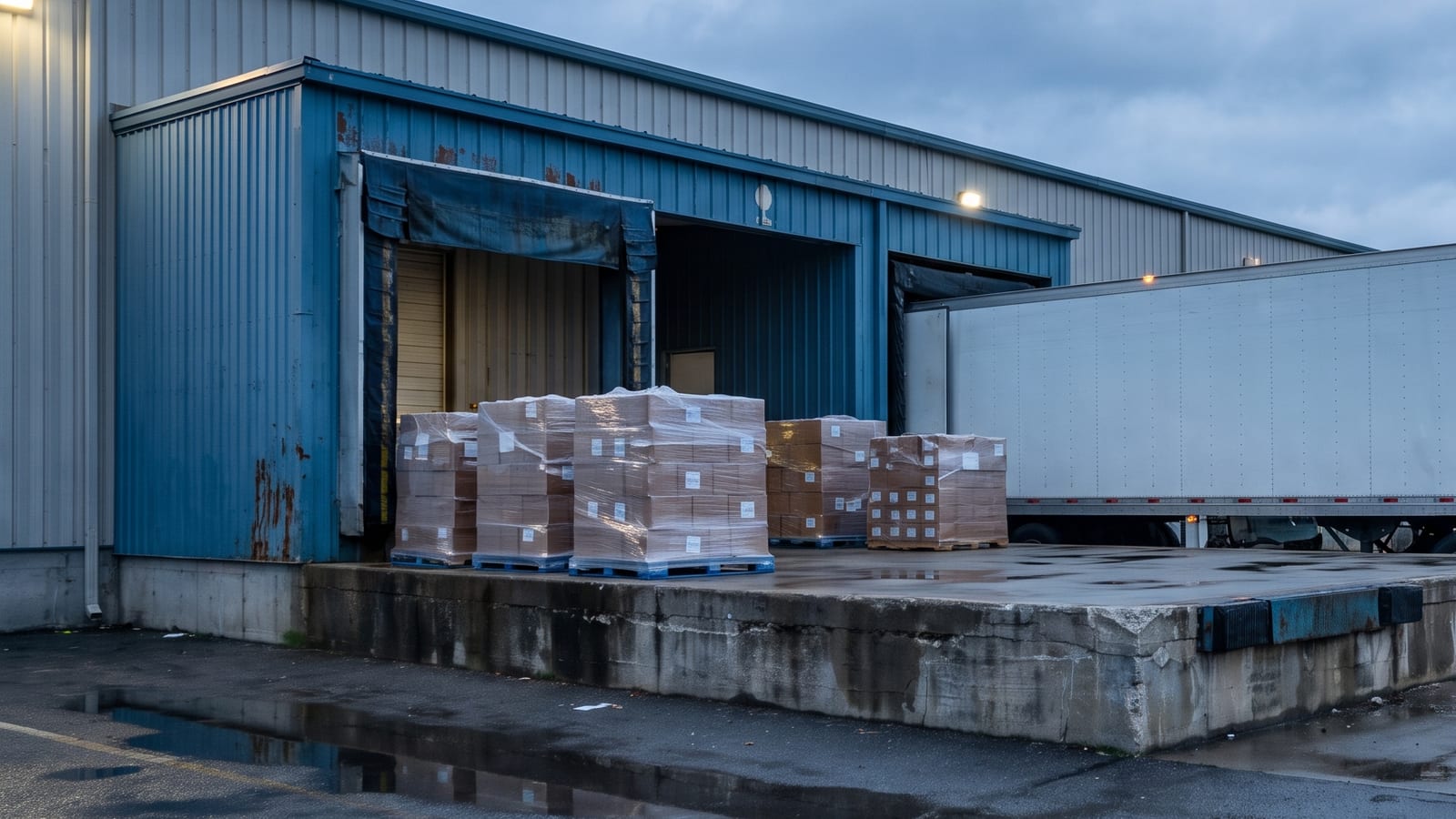
Recall readiness
A recall can start at any moment, and the first question is always the same: where is this batch? EU GDP asks for distribution records to be readily available and for recall arrangements to be evaluated at least once a year. A mock recall shows the gaps before a real one does.
Read moreCold Chain

Where does the cold chain break?
The cold chain rarely breaks inside the cold room. It breaks at handovers: waiting on the dock, preparing orders outside the room, loading and transport. Freezing is a risk too. After a deviation the goods are quarantined and the product owner decides.
Read more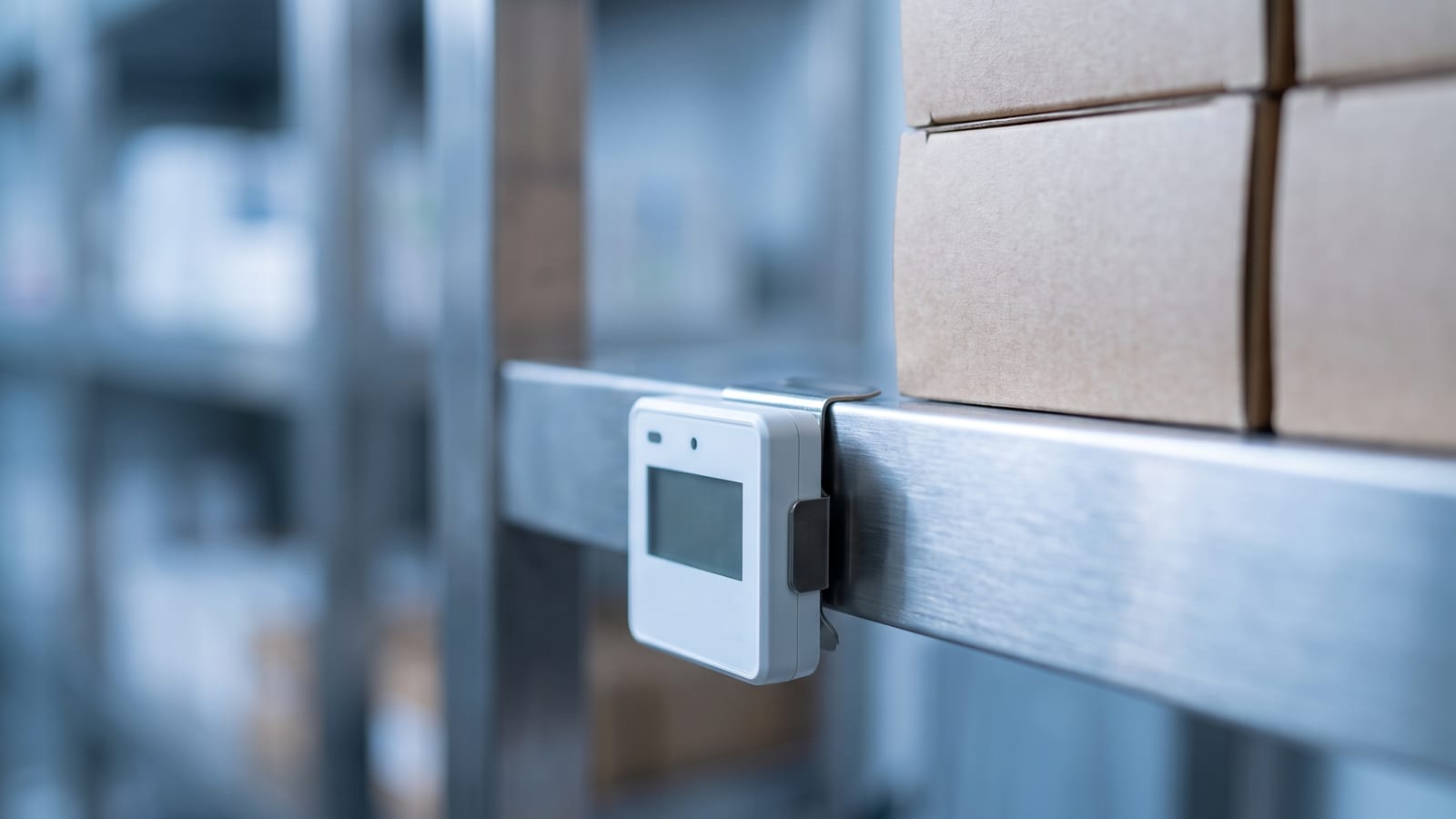
Evaluating temperature excursions in transport
When a temperature excursion happens in transport, the goods are quarantined, the logger data for the whole journey is collected, and the size and duration of the excursion are established. Whether the product can still be used is decided by its owner, based on stability data.
Read moreWarehouse Operations
How is temperature mapping done?
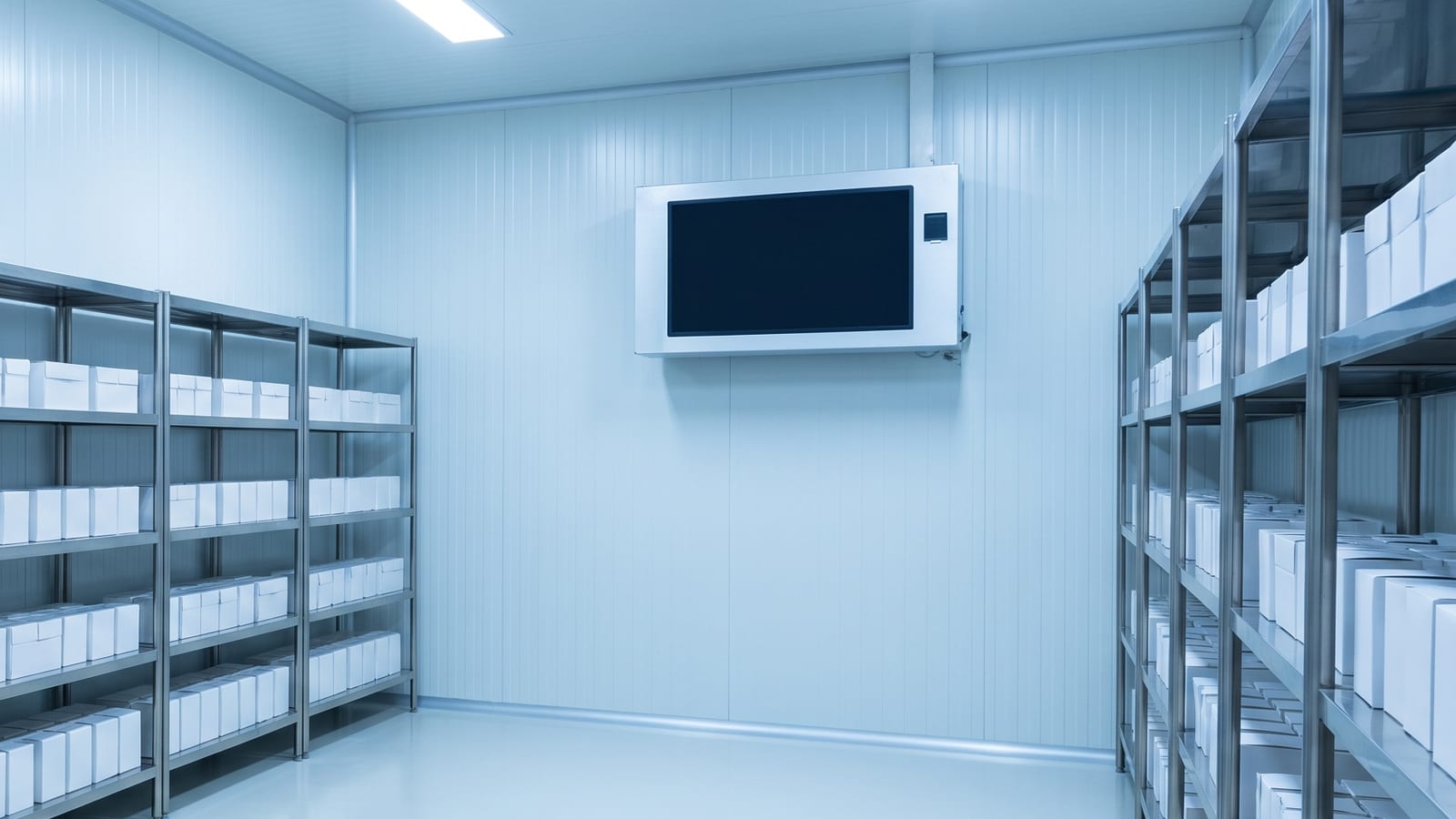
Temperature mapping measures how temperature is distributed across a storage area and where hot and cold spots form. The result shows where permanent sensors belong and which parts of the area are unsuitable for sensitive products.
Read more
Humidity, packaging and storage
Humidity affects some products directly and packaging almost always: cartons lose strength in humid air and labels stop sticking. When cold goods meet warm, humid air, condensation forms. That is why relative humidity is monitored alongside temperature.
Read more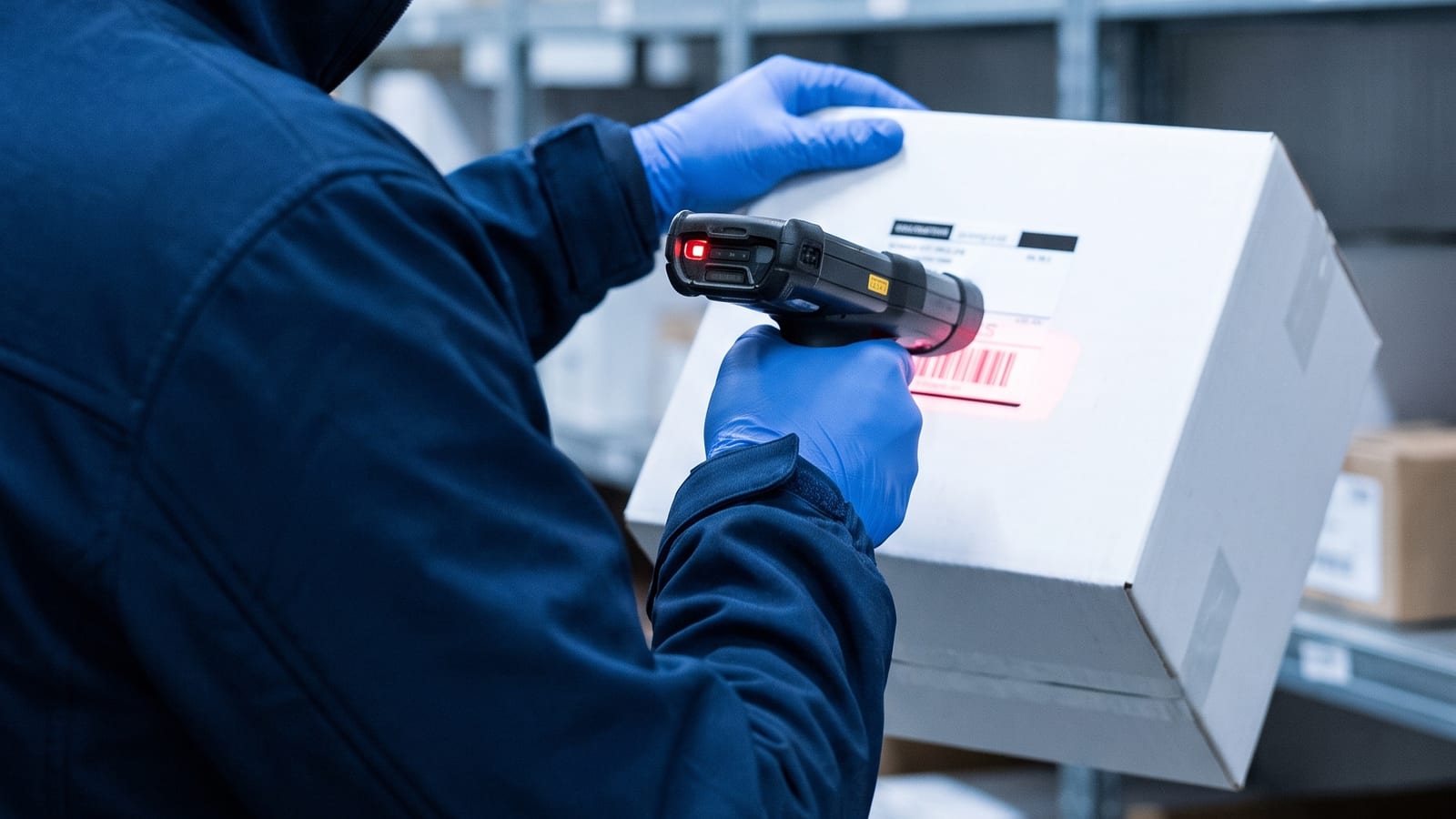
FEFO and batch traceability
FEFO means the product with the nearest expiry date leaves the warehouse first, and medicine stock rotates by that rule. Batch number and expiry date are recorded at receipt, in storage and at dispatch. Those records are what make a recall possible and fast.
Read more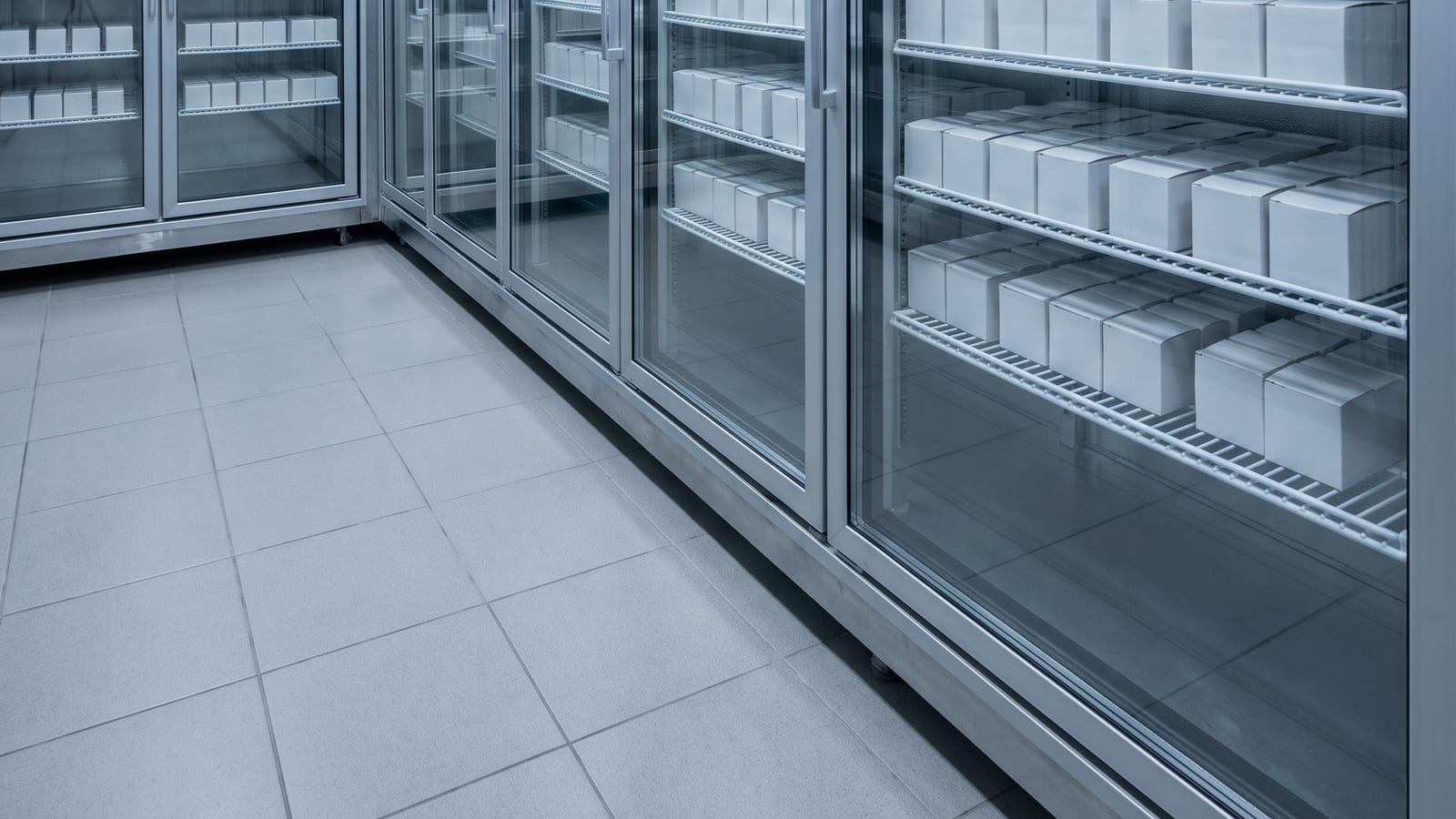
Cleaning and pest control in the warehouse
GDP asks for storage areas to be cleaned to written instructions, for cleaning to be recorded and for a preventive pest control programme to run. In practice that means numbered monitoring points, regular visit reports and steady checks on doors and dock seals.
Read moreGuides

Questions to ask when choosing a storage partner
Under EU GDP, a company that outsources storage assesses whether its partner is competent for the job. Licences, temperature mapping, monitoring and alarms, deviation reporting, reports, recalls and an exit plan are the main topics to cover in that assessment.
Read more
How to measure warehouse performance
Warehouse performance is tracked with a few measures defined in the contract and counted the same way every month: order accuracy, on-time dispatch, inventory accuracy, temperature compliance, deviation closure time and others. The trend matters more than any single month.
Read more